


Why is strike action trending in Ireland today?
A large-scale public‑sector strike began on Wednesday as health‑service workers walk out over pay that has not kept pace with inflation. The walkout has forced the cancellation of thousands of appointments, surgeries and other services, and a second strike is threatened if negotiations do not start soon.

What happened
- 14 Oct, 06:30 UTC
Health service workers across hospitals, community care and dental services began striking, cancelling routine appointments, surgeries and many child‑health services [1]
- Earlier
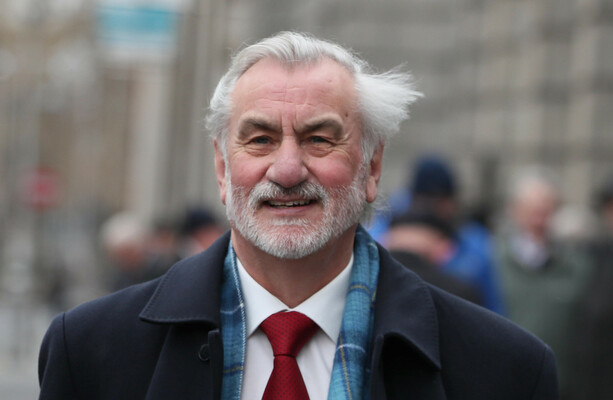
Industrial‑relations expert Kieran Mulvey warned a second strike could occur on 21 October unless the government and unions resume talks quickly [2]
What you need to know
Emergency care, urgent cancer treatment and dialysis are still operating.
The HSE is prioritising the most vulnerable patients for home support.
GPs, out‑of‑hours services and pharmacies are not affected by the strike.
The government says it is ready to discuss a new pay deal, but wants an affordable envelope and productivity measures.
It is not yet clear whether a new pay agreement will be reached before the threatened 21 October strike, or what specific productivity changes the government may propose.
Background
The strike is the biggest public‑sector action in almost two decades, involving hospital and community health workers, disability staff and, for the first time since 1922, members of the Irish Dental Association. Workers say inflation has eroded real wages, prompting the walkout.
The government has kept emergency departments, urgent cancer treatment and dialysis open, and has promised special derogations for the most vulnerable. Minister for Health Jennifer Carroll MacNeill said emergency services will continue despite the disruption.
Industrial‑relations veteran Kieran Mulvey, who helped broker past public‑service agreements, says both sides need to sit down quickly. He notes that normally pay talks start months before a deal expires, but in this case talks only began after the previous agreement lapsed in June, increasing the risk of rolling strikes.
Questions people ask
Which health services are still available during the strike?
Emergency departments, urgent cancer treatment, dialysis and ambulance services (though reduced) remain operational; GP, out‑of‑hours and pharmacy services are unaffected.
What are the unions demanding?
Unions are seeking pay increases that match rising inflation and longer‑term wage improvements, alongside any productivity‑related changes the government may propose.
When could a second strike happen?
Union leaders have warned a further strike could be called on 21 October if negotiations do not resume promptly.
Where this came from
Found through Google Trends and drafted with AI from at least two cited sources. Published automatically after passing our automated checks for sources, wording and safety. It may not have been reviewed by a person yet. Report a correction.