

Why are Irish public sector pay talks trending?
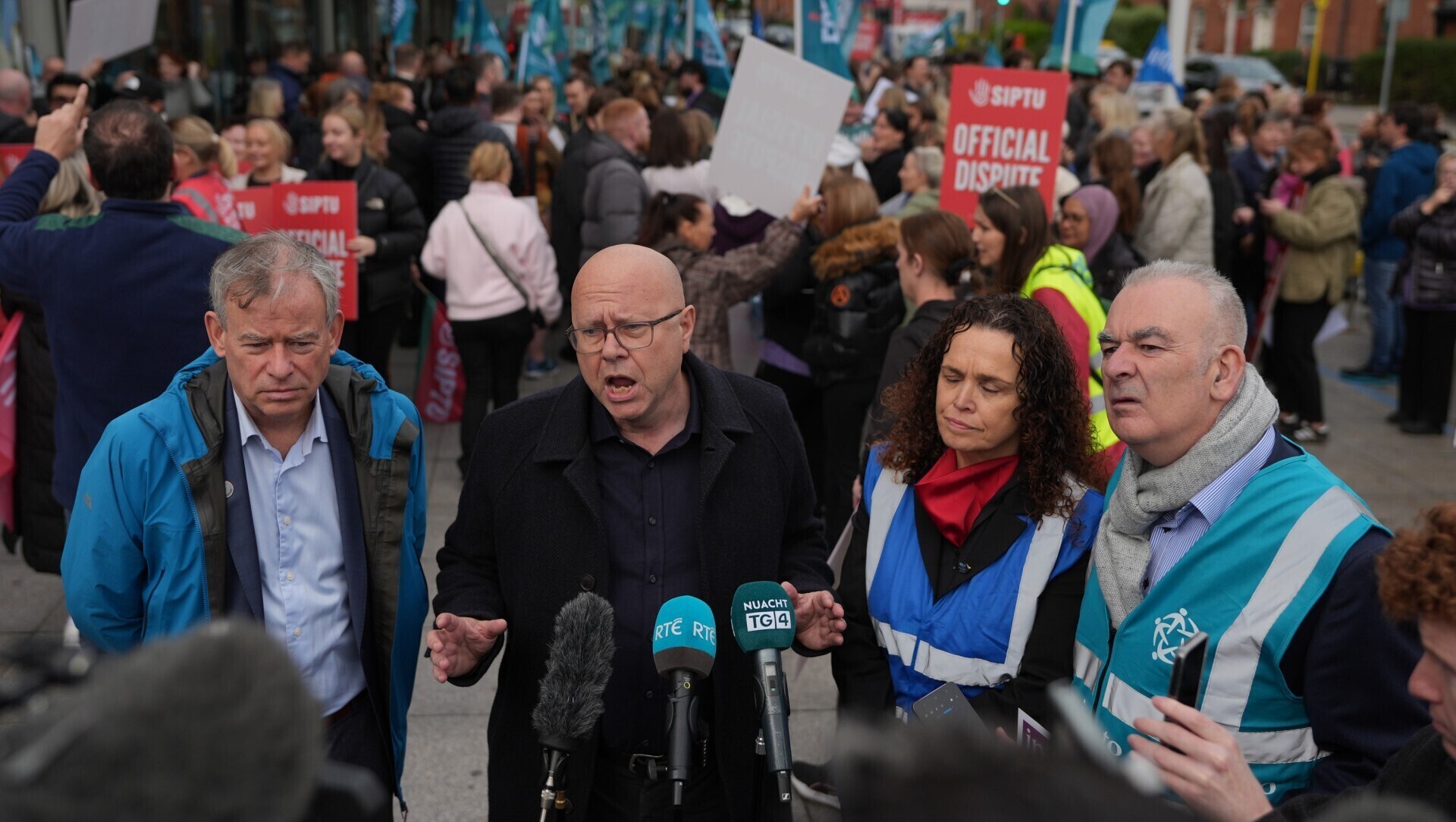
Public sector unions have announced a strike for next Wednesday, prompting the government to signal an above‑inflation pay rise and to seek a negotiation framework. The dispute is gaining attention as both sides press for rapid talks to avoid further disruption.
What happened
- 7 Oct, 06:30 UTC
Fórsa union chief Kevin Callinan confirmed the strike will go ahead next week and urged the government to present a credible pay proposal within hours, not days [1]
What you need to know
The government is prepared to offer an above‑inflation pay rise to public workers.
Public sector unions cite legitimate concerns about pay and cost of living.
Back‑channel talks are ongoing but remain sensitive.
A rally in Dublin and nationwide pickets are planned if talks stall.
It is not yet clear what specific pay increase the government will propose or whether the strike will be limited to one day.
Background
Recent public sector pay increases have been a point of contention, with past agreements raising salaries well above inflation and contributing to fiscal strain before the 2008 crisis [2].
Ireland’s public sector salaries remain among the highest in the OECD, fueling ongoing debates about sustainability and fairness [2].
Current negotiations aim to avoid a repeat of past disputes by reaching a negotiated pathway that balances workers’ demands with fiscal responsibility.
Questions people ask
What will trigger the strike?
Union leaders say the strike will proceed unless the government presents a credible pay offer within hours.
What is the government’s proposed solution?
Minister Helen McEntee indicated the government is ready to offer an above‑inflation pay rise and to set up a negotiation framework.
How does this relate to past pay issues?
Past large pay awards in the early 2000s contributed to unsustainable public spending and were linked to the 2008 financial crisis.
Where this came from

Found through Google Trends and drafted with AI from at least two cited sources. Published automatically after passing our automated checks for sources, wording and safety. It may not have been reviewed by a person yet. Report a correction.