


Why is Singapore’s haze pollution law being invoked now?
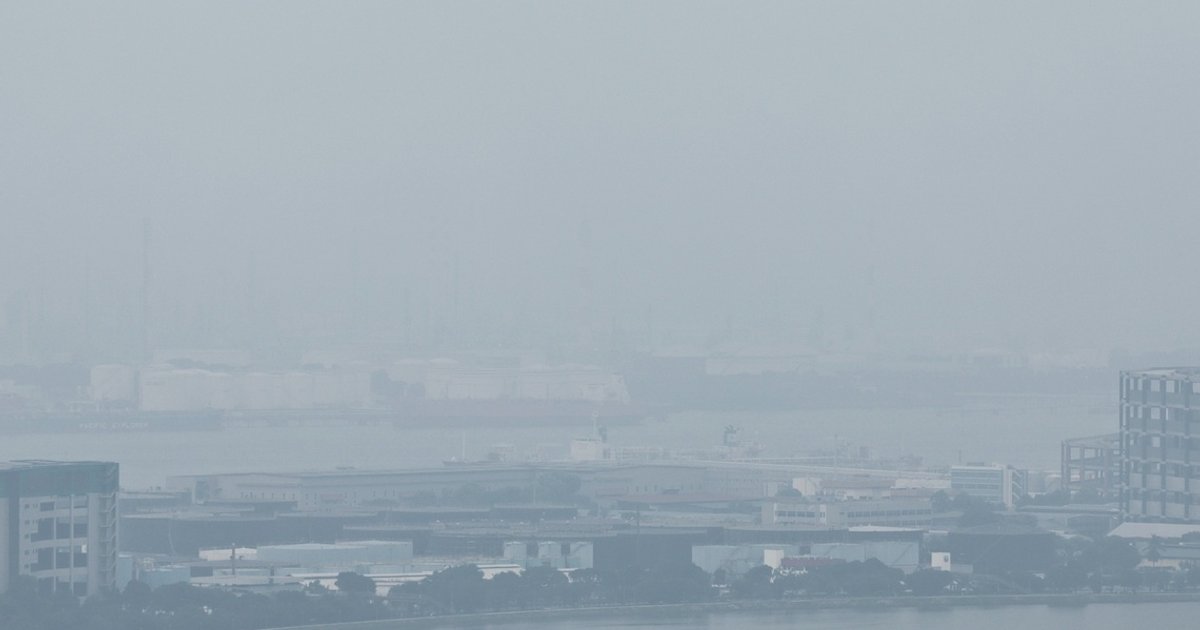
Recent haze from fires in Indonesia has pushed Singapore’s PSI into the unhealthy range for multiple days, meeting the threshold that activates the 2014 Transboundary Haze Pollution Act. The law allows fines up to $2 million for parties responsible for the fires.
What happened
- 5 Oct – 12 Oct 2026
Air quality remained unhealthy across all regions, with PSI staying above 101 for more than 24 hours, prompting activation of the haze law and fines for violators [1]
- 12 Oct 2026, 5 pm
PM2.5 in the western region hit 156, keeping the 24‑hour PSI forecast in the unhealthy range and prompting NEA advisories [2]
What you need to know
The Act applies when PSI ≥ 101 persists for 24 hours in any part of Singapore.
Fines can reach $100,000 per day, capped at $2 million total.
NEA monitors hotspots via satellite, wind data and meteorology to link smoke to fires.
ASEAN coordination centres provide early warnings and share information on transboundary haze.
Specific companies or individuals that may be fined under the Act have not yet been identified, as investigations are ongoing.
Background
Singapore’s Transboundary Haze Pollution Act, enacted in 2014, targets entities that cause or condone fires that result in unhealthy air quality for at least 24 hours, with penalties up to $2 million [1].
The current haze originates from forest and land‑clearing fires in Indonesia’s Kalimantan and Sumatra provinces, a long‑standing source of regional haze linked to agricultural expansion [1].
NEA works with ASEAN bodies—the Specialised Meteorological Centre and the Interim ASEAN Coordinating Centre—to issue early warnings, share data and coordinate response efforts across the region [1].
Questions people ask
What PSI level triggers the haze law?
The law is triggered when the Pollutant Standards Index reaches 101 or higher and stays at that level for 24 hours or more.
How much can violators be fined?
Fines can be up to $100,000 per day, with a maximum total penalty of $2 million.
What actions is the government taking now?
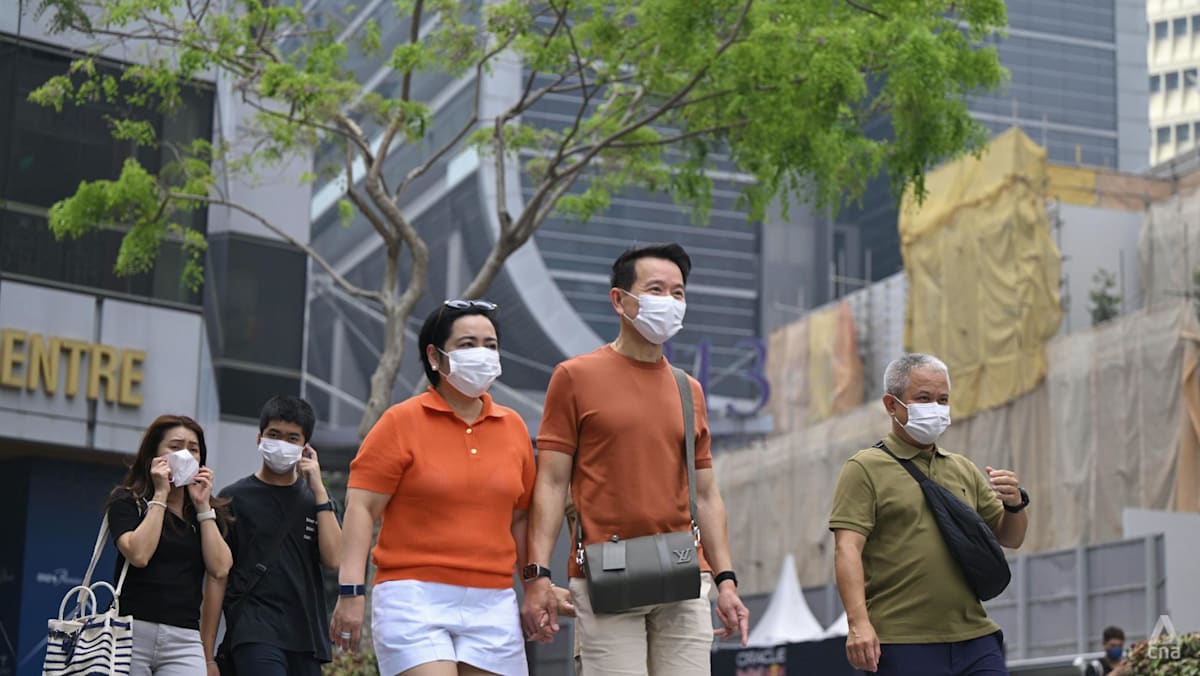
NEA is monitoring hotspots, issuing health advisories, distributing N95 masks to vulnerable groups, and providing subsidised treatment at clinics [2].
Where this came from
Found through Google Trends and drafted with AI from at least two cited sources. Published automatically after passing our automated checks for sources, wording and safety. It may not have been reviewed by a person yet. Report a correction.