


Why is First Resources in the haze spotlight today?
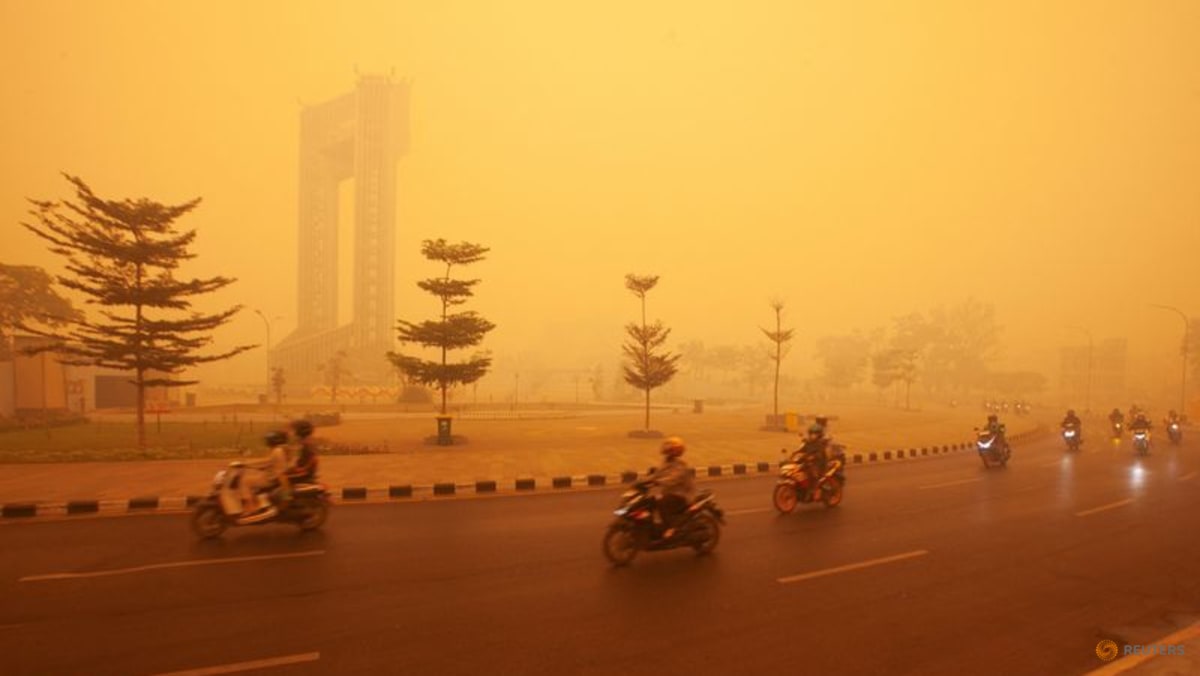
The company is trending because Greenpeace named it in a report linking its Indonesian plantation concessions to fire hotspots that have worsened under the 2026 El Nino. First Resources says most hotspots are outside its managed areas and that fire risk is being mitigated.
What happened
- Oct 16, 2026, 06:30 UTC
First Resources shares fell over 9% after it said El Nino‑driven dry conditions raised fire risk and that current hotspots lie mainly outside its concessions [1]
- Oct 5, 2026
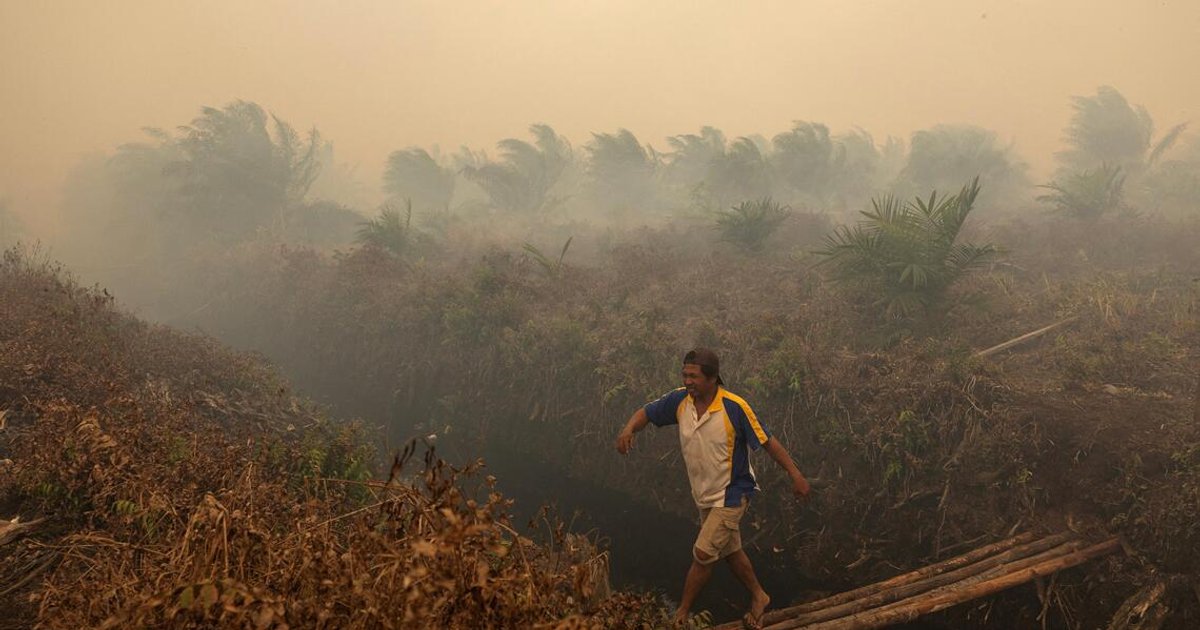
Greenpeace released a report naming First Resources and two other Singapore‑listed firms as linked to Indonesian plantation fires detected between August and September [2]
What you need to know
El Nino has caused prolonged dry weather in West Kalimantan, heightening fire risk.
First Resources claims it has fire‑prevention, monitoring and firefighting measures in place.
The Singapore government can act under the Transboundary Haze Pollution Act against companies linked to overseas fires.
Hotspot detection alone does not prove a company started a fire; ground investigations are required.
It remains unclear whether any of the hotspots that spread into First Resources’ land originated from fires started on its own concession or from neighboring areas.
Background
First Resources is a Singapore‑listed palm‑oil producer with plantation concessions in Indonesia. A Greenpeace investigation identified its concessions among areas where satellite data showed fire hotspots and smoke between August and September 2026. The report also named Bumitama Agri and First Borneo Plantations, all of which have ownership links to Singapore entities.
The 2026 El Nino event has produced unusually dry conditions in Indonesia’s West Kalimantan region, a key area for palm‑oil cultivation. Drier weather makes peatlands and forested lands more vulnerable to uncontrolled fires, which can generate haze that drifts to neighboring countries, including Singapore.
Singapore’s Transboundary Haze Pollution Act (effective 2014) allows authorities to pursue legal action against companies whose overseas activities cause haze that affects Singapore. The government is reviewing data on the current fires and has said it may take action where warranted.
Questions people ask
Did First Resources cause the haze?
The company says the presence of hotspots in or near its concessions does not automatically indicate it started or condoned the fires; it points to fires that began outside its boundaries and spread in.
What is the role of El Nino in the current haze?
El Nino has produced prolonged dry conditions in West Kalimantan, increasing the likelihood of fires and making existing hotspots harder to control.
Can Singapore punish companies for fires abroad?
Yes, under the Transboundary Haze Pollution Act Singapore can pursue legal action against firms responsible for haze that impacts the city‑state, even if the activities occur overseas.
Where this came from
[1] channelnewsasia.com
Singapore-listed firm linked to haze points to El Nino, fires outside of where it operates
Preview image from channelnewsasia.com
 [2] straitstimes.com
Two S’pore-listed palm oil firms named in Greenpeace report on Indonesian plantation fires
Preview image from straitstimes.com
[2] straitstimes.com
Two S’pore-listed palm oil firms named in Greenpeace report on Indonesian plantation fires
Preview image from straitstimes.com
Found through Google Trends and drafted with AI from at least two cited sources. Published automatically after passing our automated checks for sources, wording and safety. It may not have been reviewed by a person yet. Report a correction.