


Why is Singapore’s haze level trending today?
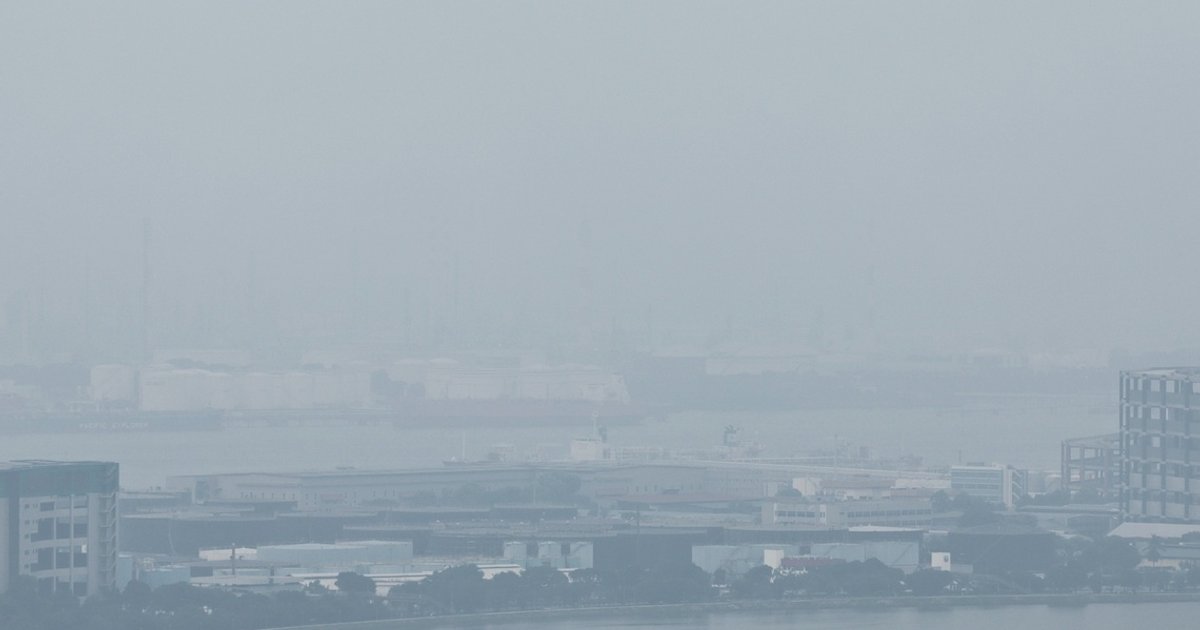
Air quality in Singapore has risen into the unhealthy PSI range, triggering the Transboundary Haze Pollution Act and prompting government and community precautions. The haze stems from forest and land fires in Indonesia, and regional cooperation is being mobilised.
What happened
- Oct 12, 2026
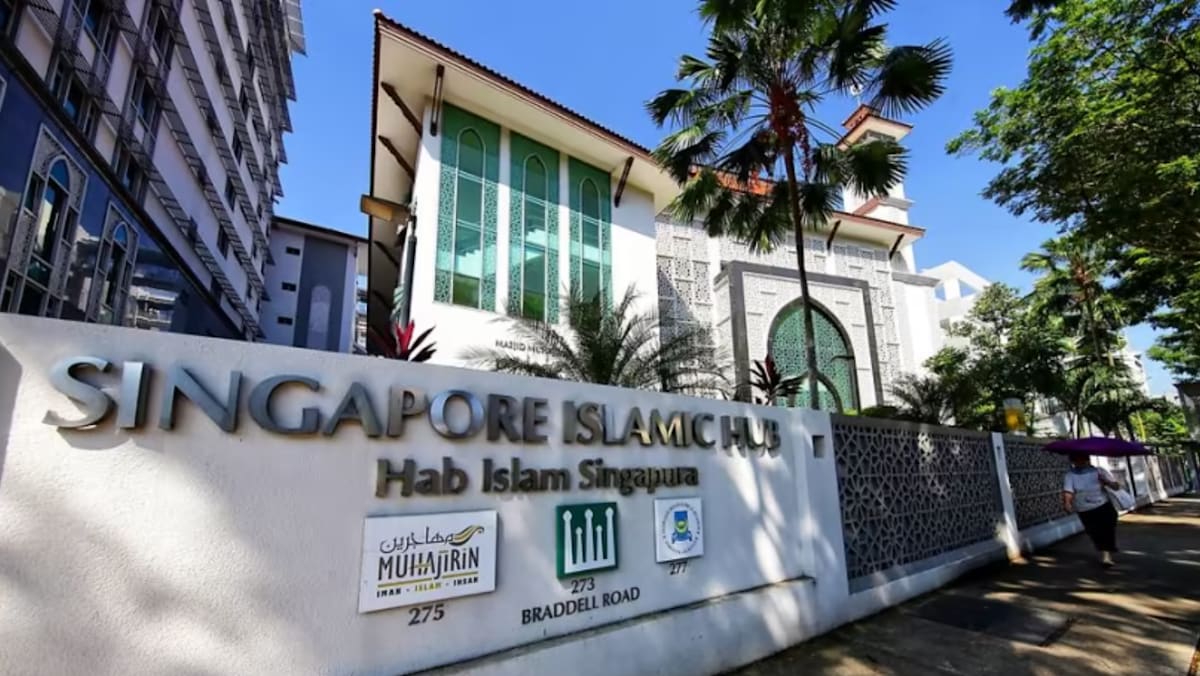
Mosques remain open but adjust prayer arrangements as PSI stays in the unhealthy range, with warnings to limit outdoor exposure [2]
- Oct 10, 2026
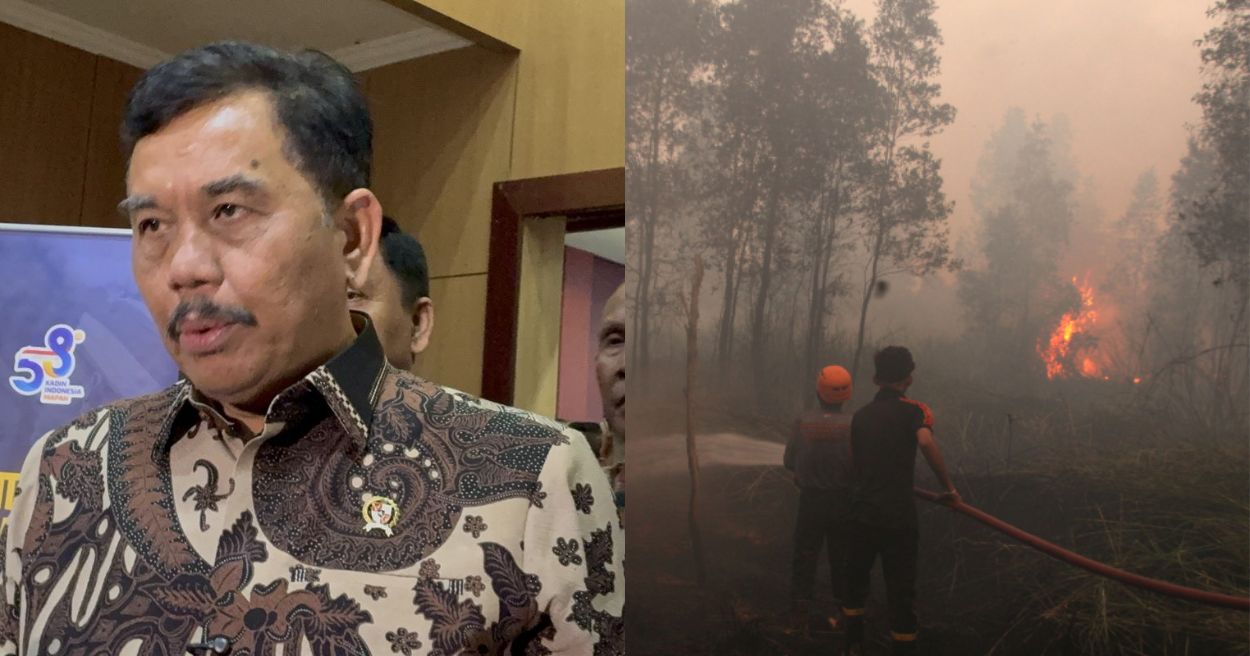
Indonesia's communications chief describes the fires as a natural phenomenon and notes discussions with Singapore and Malaysia on joint action [3]
- Oct 9, 2026
PSI in central Singapore peaked at 192, the highest reading of 2026, extending the longest unhealthy episode since Oct 5 [1]
- Oct 5–9, 2026
Unhealthy PSI persisted for more than 24 hours, activating Singapore's anti‑haze law for the first time this season [1]
What you need to know
The Transboundary Haze Pollution Act can fine responsible parties up to $2 million if unhealthy PSI lasts 24 hours or more.
Mosques stay open for prayers but will suspend non‑essential outdoor activities if PSI exceeds 200.
Singapore monitors hotspots, wind data and satellite imagery through the ASEAN Specialised Meteorological Centre.
Regional assistance is being coordinated, with Singapore offering ground support to Indonesia.
Exact attribution of the current fires to specific companies or land‑owners has not been confirmed, and the duration of the current unhealthy episode remains uncertain.
Background
Since September 4, 2026, Singapore has experienced multiple haze episodes that pushed the Pollutant Standards Index (PSI) above 100, the threshold for ‘unhealthy’ air. The PSI reached 192 on October 9, marking the highest level recorded this year.
The 2014 Transboundary Haze Pollution Act targets entities that cause or condone fires that lead to unhealthy PSI levels for 24 hours or more, with penalties up to $2 million. Enforcement relies on satellite, wind and hotspot data.
Haze in Singapore traditionally originates from forest and land‑clearing fires in Indonesia, especially in Sumatra and Kalimantan, often linked to agricultural plantations. ASEAN bodies coordinate early warnings and response efforts.
Questions people ask
What does ‘unhealthy’ PSI mean for daily life?
When PSI is above 100, authorities advise limiting outdoor activities, especially for the elderly and those with health conditions, and may adjust public services such as outdoor programs.
Can Singapore penalise companies in Indonesia for the haze?
Under the Transboundary Haze Pollution Act, Singapore can fine companies responsible for fires that cause unhealthy PSI, but legal action requires proof of causation and is still under investigation.
Is regional assistance being offered?
Yes, Singapore has offered ground‑based firefighting support to Indonesia, and ASEAN coordination centres are sharing data and resources to mitigate the haze.
Where this came from
[1] straitstimes.com
Unhealthy air quality in S’pore enough to trigger haze pollution law; NEA is monitoring situation
Preview image from straitstimes.com
 [2] channelnewsasia.com
Mosques to remain open for prayers, arrangements may be adjusted if haze worsens
Preview image from channelnewsasia.com
[2] channelnewsasia.com
Mosques to remain open for prayers, arrangements may be adjusted if haze worsens
Preview image from channelnewsasia.com
 [3] mothership.sg
Indonesian govt official says forest fires 'beyond human error' & their forests 'send oxygen' if there's no haze
Preview image from mothership.sg
[3] mothership.sg
Indonesian govt official says forest fires 'beyond human error' & their forests 'send oxygen' if there's no haze
Preview image from mothership.sg
Found through Google Trends and drafted with AI from at least two cited sources. Published automatically after passing our automated checks for sources, wording and safety. It may not have been reviewed by a person yet. Report a correction.