


Why are air purifier sales spiking amid Singapore’s haze?
Singapore has been recording unhealthy PSI levels since early October, with experts warning the haze could worsen. Because typical home air‑conditioners cannot capture the fine PM2.5 particles, shoppers are turning to HEPA‑rated air purifiers that can clean indoor air.
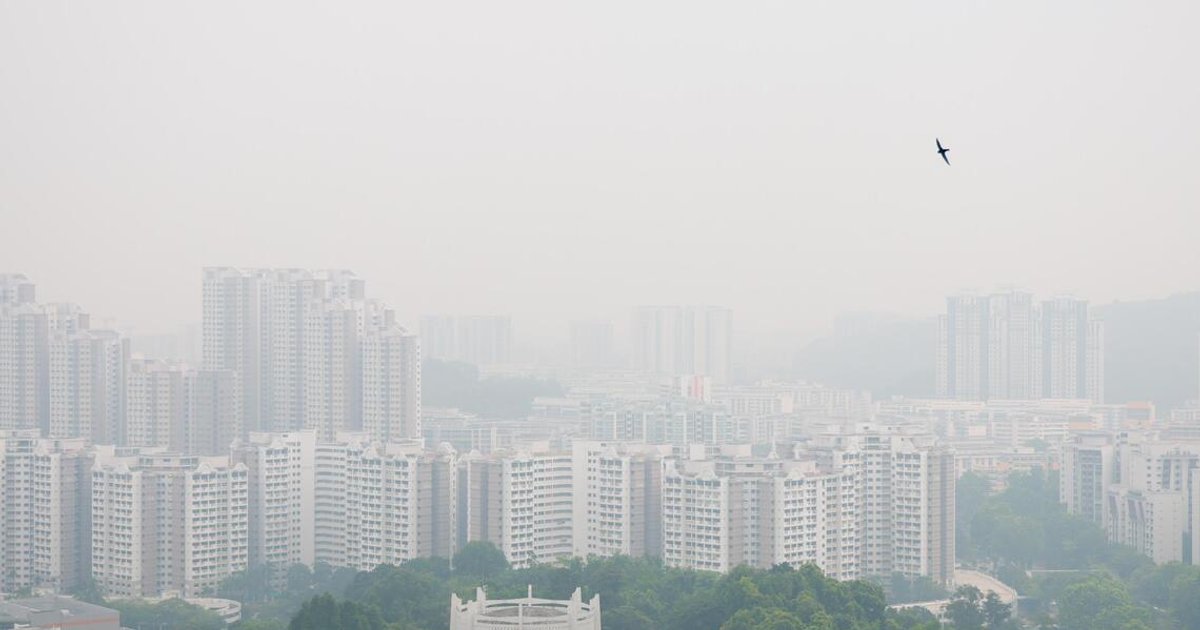
What happened
- 5 Oct 2026
PSI readings rose above 101, marking the start of the longest unhealthy‑air stretch since September [1]
- 9 Oct 2026
Authorities warned the haze could reach ‘very unhealthy’ levels if hot, hazy conditions persisted [1]
What you need to know
Air‑conditioner filters target dust, not the sub‑micron PM2.5 haze particles.
HEPA or high‑MERV (13+) filters are needed to capture PM2.5 effectively.
Choose a purifier sized for the room and check its CADR and filter‑replacement cost.
Closing windows and doors helps keep outdoor haze out while the purifier runs.
Exact sales numbers for air purifiers during this haze period have not been disclosed by retailers or market analysts.
Background
The haze in Singapore is dominated by PM2.5 particles about 2.5 microns in diameter, which can penetrate deep into the lungs. Standard home air‑conditioner filters are designed for larger dust particles and therefore do little to improve indoor air quality, though they can help keep outdoor air out when doors and windows stay shut.
Experts recommend upgrading to air‑conditioner filters with a Minimum Efficiency Reporting Value (MERV) of 13 or higher, or using dedicated air purifiers equipped with HEPA filters. Such devices must be matched to the room size and maintained with regular filter changes to remain effective.
Indoor plants have limited ability to remove fine particulate matter; they may capture some particles on leaves but cannot meaningfully reduce haze levels indoors.
Questions people ask
Can my air‑conditioner protect me from haze?
No. Standard AC filters only catch larger dust, not the tiny PM2.5 particles that cause haze‑related health risks.
Do indoor plants filter haze particles?
Plants can absorb some gaseous pollutants and trap particles on leaves, but they are not effective at removing fine PM2.5 from indoor air.
What should I look for when buying an air purifier?
Check the clean air delivery rate (CADR), recommended room size, HEPA or high‑MERV filtration, and ongoing filter‑replacement costs.
Where this came from

Found through Google Trends and drafted with AI from at least two cited sources. Published automatically after passing our automated checks for sources, wording and safety. It may not have been reviewed by a person yet. Report a correction.