


Why is PSI now trending in Singapore?
The PSI is trending because Singapore has recorded 24‑hour PSI values above 100 since Oct 5, marking the longest unhealthy stretch this year. Haze from fires in Sumatra and Kalimantan continues to drift over the island, and forecasts of thundery showers offer only temporary relief.
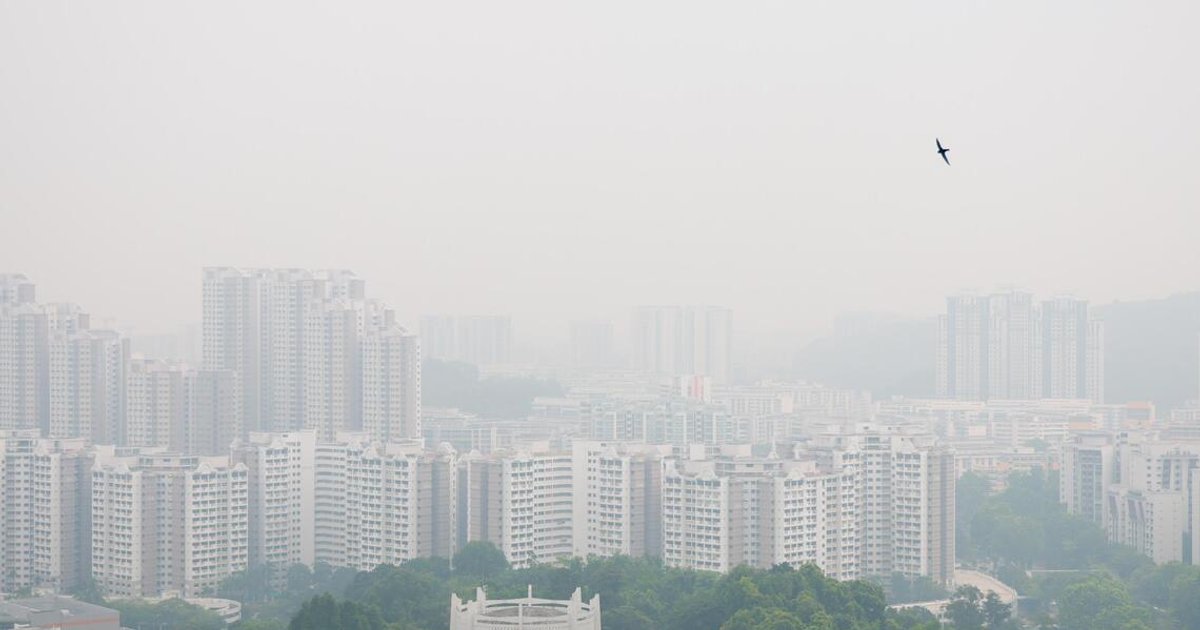
What happened
- 5 Oct, 00:00 UTC
PSI readings rose above 101, beginning the longest unhealthy period this year [1]
- 9 Oct, 00:00 UTC
Authorities warned that PSI could breach “very unhealthy” levels if haze persists [1]
- 14 Oct, 09:00 UTC
Morning PSI ranged 106‑144 across regions; thundery showers forecast for the afternoon [2]
What you need to know
Close windows and doors to keep outdoor haze out; air‑conditioners cool but do not filter fine particles effectively [1].
Use air purifiers with HEPA filters (MERV 13 or higher) sized for the room to reduce indoor PM2.5 [1].
Indoor plants have minimal impact on fine haze particles and should not be relied upon for protection [1].
Check the latest PM2.5 readings before outdoor activities, as advised by the NEA [2].
Exact future PSI levels depend on the unpredictable intensity of fires in Sumatra and Kalimantan and the timing of rain, which cannot be precisely forecasted.
Background
Singapore measures air quality with a 24‑hour PSI that combines six pollutants, including PM2.5; values over 100 are classified as unhealthy [1].
The current haze is transboundary, originating from forest‑fire smoke in neighboring Indonesia, and is carried by prevailing winds toward Singapore [2].
While air‑conditioning can lower indoor temperature, its standard filters capture only larger dust, not the sub‑2.5‑micron particles that dominate haze pollution [1].
Questions people ask
Does turning on the air‑conditioner clean the indoor air?
It cools the space and can keep haze out by keeping doors and windows closed, but standard AC filters do not remove PM2.5 particles effectively [1].
Can indoor plants protect me from haze?
Plants may absorb some gaseous pollutants and capture particles on leaves, but they are not effective at removing fine haze particles at levels that matter for health [1].
Will the afternoon thunderstorms improve air quality?
Rain can temporarily lower PSI by washing out particles, but the NEA expects the 24‑hour PSI to stay in the unhealthy range for the day [2].
Where this came from

Found through Google Trends and drafted with AI from at least two cited sources. Published automatically after passing our automated checks for sources, wording and safety. It may not have been reviewed by a person yet. Report a correction.