


Why is Greenpeace trending in Singapore?
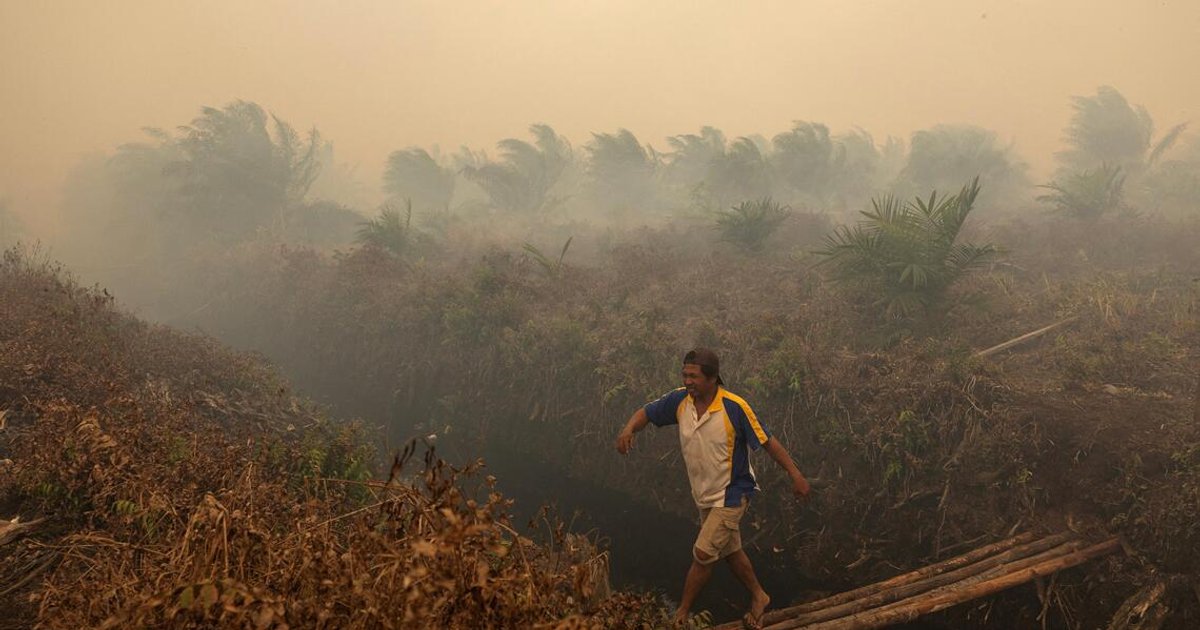
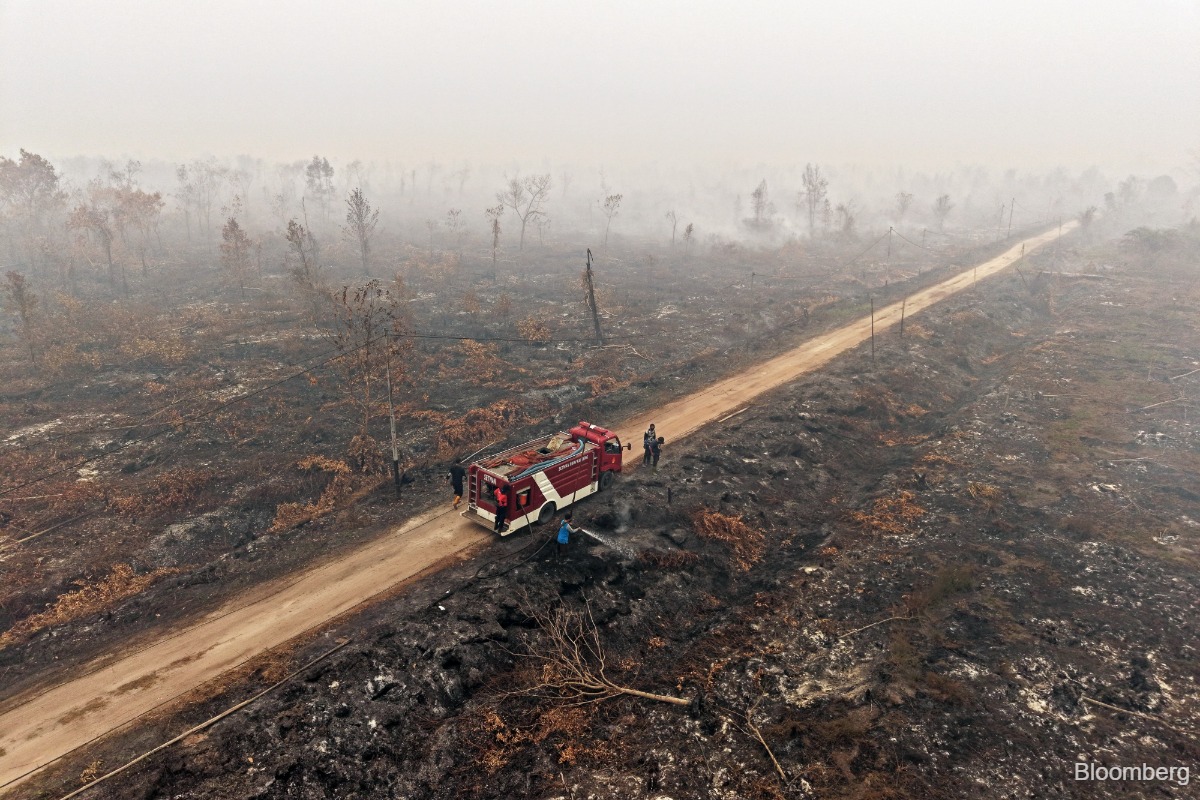
Greenpeace released a report that identified two Singapore-listed palm oil companies, Bumitama Agri and First Resources, as linked to plantation areas in Indonesia where fires and smoke were detected in August‑September. The report has sparked media coverage and corporate responses, driving public interest in Singapore.
What happened
- Oct 5, 2026
Greenpeace published its investigation naming Singapore-listed palm oil firms tied to Indonesian fire hotspots [1]
- Oct 6, 2026
The Edge reported that Greenpeace linked more than 20 agricultural firms, including Singapore’s First Resources, to fire‑source points across Indonesia [2]
- Oct 15, 2026
First Resources responded, saying satellite hot‑spot data alone does not prove responsibility for the fires [1]
What you need to know
Greenpeace used satellite data to locate 6,811 smoke‑source points from Aug 1 to Oct 1 across several Indonesian islands.
The identified fires are part of a severe fire season intensified by El Niño‑driven drought.
First Resources disputed the implication, noting many hot spots were outside its concession boundaries after verification.
Greenpeace called for stronger laws and revocation of permits for concessions causing peatland destruction.
Detailed ground investigations to confirm which company, if any, deliberately set the fires have not been completed, and the final impact on corporate accountability remains unclear.
Background
Indonesia is experiencing one of its worst fire seasons, with El Niño causing drought and making peatlands highly flammable. Slash‑and‑burn practices are a major driver of the haze that spreads across Southeast Asia, affecting air quality in Singapore and Malaysia.
Greenpeace partnered with Indonesian NGO Pantau Gambut to analyze satellite imagery, identifying thousands of potential fire sources and linking them to land concessions owned by various agribusinesses, including Singapore‑listed firms.
The haze has placed Singapore among the world’s most polluted cities, prompting public concern and media attention on the role of foreign‑linked companies in the crisis.
Questions people ask
Which Singapore companies were named by Greenpeace?
Bumitama Agri and First Resources were identified as having concessions where fire hotspots were detected.
What does First Resources say about the allegations?
The company says satellite hot‑spot detection alone does not prove it caused the fires and that many hotspots were outside its boundaries after verification.
Will the haze improve soon?
Rainfall is expected to increase toward the end of October, which may help reduce fires, but the delayed rainy season due to El Niño could keep risks high for longer.
Where this came from
Found through Google Trends and drafted with AI from at least two cited sources. Published automatically after passing our automated checks for sources, wording and safety. It may not have been reviewed by a person yet. Report a correction.