


Why is Cumbria trending today?
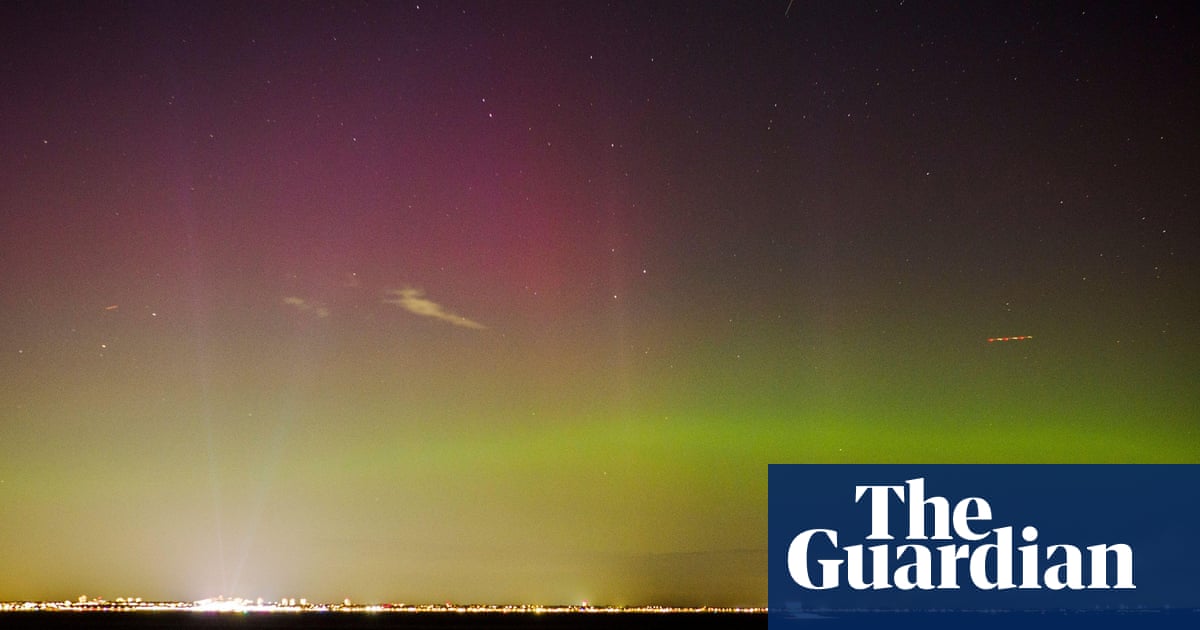
A strong solar storm caused the Aurora Borealis to be visible across the UK, including Cumbria, sparking social‑media posts and news coverage. The phenomenon is rare this far south, driving public interest.

What happened
- Friday, 9 Oct, 20:00 UTC
Solar eruptions sent charged particles toward Earth, raising geomagnetic activity to 600 nT, making aurora visible nationwide [1]
- Saturday, 10 Oct, 21:30 UTC
Northern Lights appeared over the north‑east of England and Cumbria, dazzling photographers [3]
- Saturday, 10 Oct, 22:00 UTC
BBC and Guardian reported the sightings, noting they could continue until Tuesday if skies stay clear [1][2]
What you need to know
Look northward away from city lights for the best view.
Clear, dark skies improve visibility; clouds can block the display.
A mobile phone camera can capture colour that the eye may miss at night.
The Met Office expects possible further sightings until Tuesday.
It is not yet confirmed whether another geomagnetic surge will produce additional aurora displays after Tuesday.
Background
The Aurora Borealis occurs when solar‑generated charged particles collide with atmospheric gases, emitting coloured light. Normally visible only near the Arctic Circle, a particularly strong solar storm in early October 2026 raised geomagnetic levels to 600 nT, allowing the display to be seen across the UK, including Cumbria [1][2].
Experts noted 2026 as a peak year for aurora spotting because the Sun is in a heightened phase of its 11‑year activity cycle, increasing the frequency of coronal mass ejections that drive such events [1][2].
Local media in the north‑east and Cumbria highlighted the event, with BBC North East and BBC Cumbria sharing images and urging viewers to stay tuned for possible further sightings [3].
Questions people ask
Can I see the Northern Lights from anywhere in Cumbria?
Yes, the strong geomagnetic activity made the aurora visible across the county, though darker rural spots give the clearest view.
How long will the lights be visible?
The Met Office said clear‑sky conditions could allow sightings until Tuesday, but clouds or daylight will end visibility.
Why are the lights pink and green?
Oxygen emits green (and sometimes red) light, while nitrogen can produce pink, blue or purple hues when struck by charged particles.
Where this came from

Found through Google Trends and drafted with AI from at least two cited sources. Published automatically after passing our automated checks for sources, wording and safety. It may not have been reviewed by a person yet. Report a correction.