


Why is the world’s oldest shipwreck trending today?
The discovery of a shipwreck dated to 4,400‑4,700 years ago off Kekova Island in Turkey has been reported by major news outlets, highlighting it as the oldest known wreck and offering new insight into Early Bronze Age maritime trade. Its age, cargo of amphorae and stone anchors, and comparison with contemporary sites have made it a news focus.

What happened
- Earlier
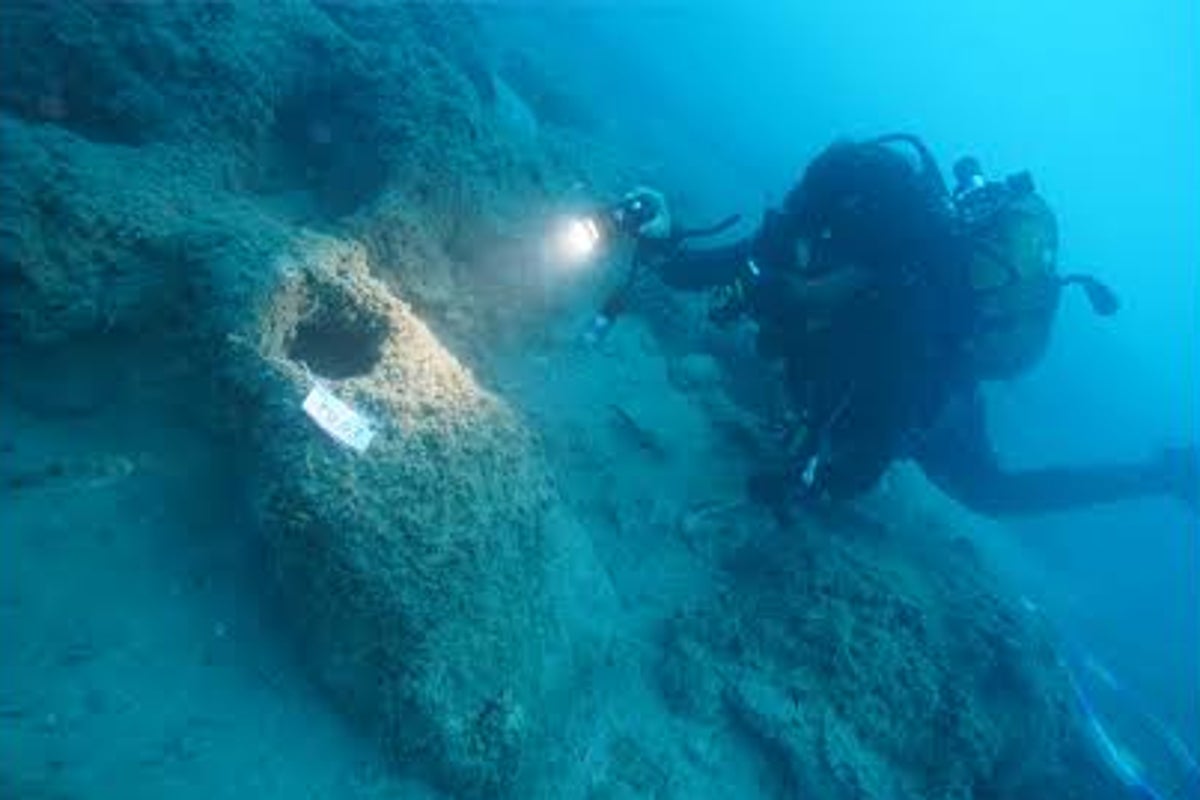
Divers uncovered a 10 m vessel with over 30 amphorae and three stone anchors about 30 m deep off Kekova Island; analysis of the pottery style dated the wreck to the Early Bronze Age, 4,400‑4,700 years ago [1]
What you need to know
The ship was likely a trade vessel moving goods across the Mediterranean.
Amphorae styles link the wreck to Egypt and the Levant, suggesting long‑distance commerce.
Stone anchors found match Bronze Age designs used by Minoan, Cypriot and Anatolian cultures.
The wooden hull did not survive; dating relied on pottery typology rather than radiocarbon.
Researchers have not yet confirmed the exact cargo (olive oil, wine, resin, etc.) or the ship’s precise point of origin and destination.
Background
The wreck was discovered by the Mediterranean Archaeology Association during a survey led by Prof Hakan Öniz of Akdeniz University. The site lies near the shore of Kekova Island, a region known for strong currents and numerous ancient wrecks. Over 30 ceramic storage pots, called amphorae, were recovered, some still containing a viscous residue that may indicate their original contents.
Because the wooden structure had decayed, archaeologists dated the wreck by comparing the amphorae’s shape and decoration to known Early Bronze Age pottery from Egypt and the Levant. The design—two handles, a central ridge, and a flat base—matches vessels dated to 4,400‑4,700 years ago, making this the oldest confirmed shipwreck, surpassing the previously oldest Dokos wreck (c. 2200 BC).
The find adds to our understanding of Bronze Age seafaring, showing that even small 10 m vessels could transport valuable goods across the Mediterranean, and that anchoring technology included both three‑hole and single‑hole stone anchors.
Questions people ask
How was the wreck dated without wood?
Archaeologists used pottery typology, matching the amphorae’s style to other dated examples from the Early Bronze Age.
What might the amphorae have carried?
Possible contents include olive oil, wine, or tree resins, but analysis of the remaining residue is still ongoing.
Why is this wreck considered the oldest?
Its cargo dates to 4,400‑4,700 years ago, older than the previously recognized Dokos wreck (≈2200 BC).
Where this came from
Found through Google Trends and drafted with AI from at least two cited sources. Published automatically after passing our automated checks for sources, wording and safety. It may not have been reviewed by a person yet. Report a correction.