


Why is haze trending in Singapore today?
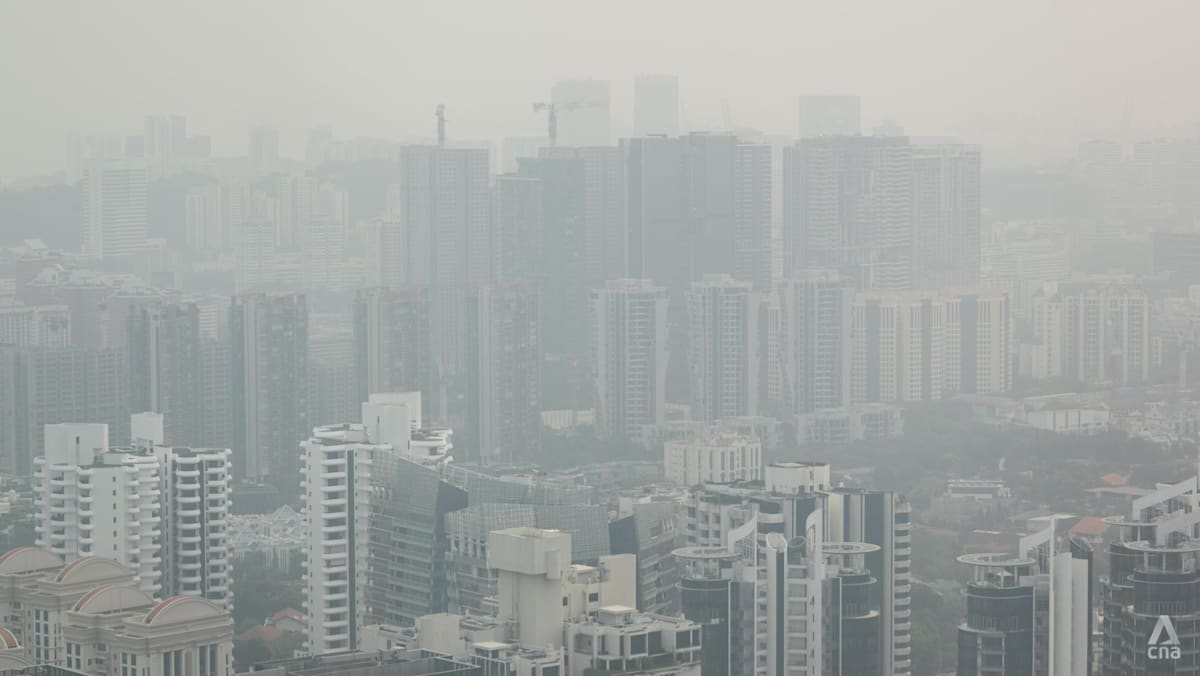
Haze is trending because smoke from fires in Sumatra and Kalimantan is drifting over Singapore, raising PM2.5 levels to the high band. The National Environment Agency has issued health advisories as the 24‑hour PSI remains in the unhealthy range.
What happened
- Oct 8, 10 pm UTC
1‑hour PM2.5 in the west hit 152, entering the high band for the first time this haze season, then fell back to the elevated band an hour later [1]
- Oct 8, 10 pm UTC
PM2.5 readings in central and east Singapore also entered the high band, while the 24‑hour PSI stayed unhealthy across the island [3]
- Oct 9, forecast
NEA expects the 24‑hour PSI to improve to high‑moderate to mid‑unhealthy, a slight easing from the previous day’s fully unhealthy forecast [3]
What you need to know
When PM2.5 exceeds 151 µg/m³, it is classified as high pollution.
NEA advises reducing strenuous outdoor activity for the next hour when 1‑hour PM2.5 is elevated.
People with heart, lung, pregnancy or elderly should avoid outdoor activity during unhealthy PSI levels.
Dry conditions in southern Sumatra and Kalimantan are expected to keep smoke drifting toward Singapore.
The exact duration of the haze episode is unclear; forecasts depend on future weather patterns and fire activity in Indonesia.
Background
Since noon on Oct 7, Singapore's 24‑hour PSI has been in the unhealthy band, driven by transboundary smoke from fires in Sumatra and West Kalimantan. The NEA reports moderate to dense smoke plumes and notes that dry conditions in those regions will likely sustain haze drift toward Singapore [1][3].
Indonesia is experiencing one of its worst wildfire seasons, with about one million hectares burned, contributing to the regional haze that now blankets Singapore's skyline [2].
The NEA calculates the PSI from six pollutants, with PM2.5 being the dominant factor during haze events. Readings above 151 µg/m³ place air quality in the high pollution range, prompting health advisories [1][3].
Questions people ask
What does an unhealthy PSI mean for daily life?
Air quality in the 101‑200 PSI range is considered unhealthy; the public is advised to limit prolonged or strenuous outdoor activities.
Will the haze affect indoor air quality?
Indoor air can also be impacted, especially if windows are open; using air purifiers and keeping windows closed can help reduce exposure.
How long might the haze last?
The duration depends on weather and fire activity in Indonesia; forecasts suggest a possible slight easing on Oct 9 but uncertainty remains.
Where this came from
[1] channelnewsasia.com
PM2.5 readings 'high' in the west; air quality across most of Singapore remains in unhealthy range
Preview image from channelnewsasia.com
 [2] bbc.com
Watch: Indonesia wildfires shroud Singapore's skyline in toxic haze
Preview image from bbc.com
[2] bbc.com
Watch: Indonesia wildfires shroud Singapore's skyline in toxic haze
Preview image from bbc.com
 [3] straitstimes.com
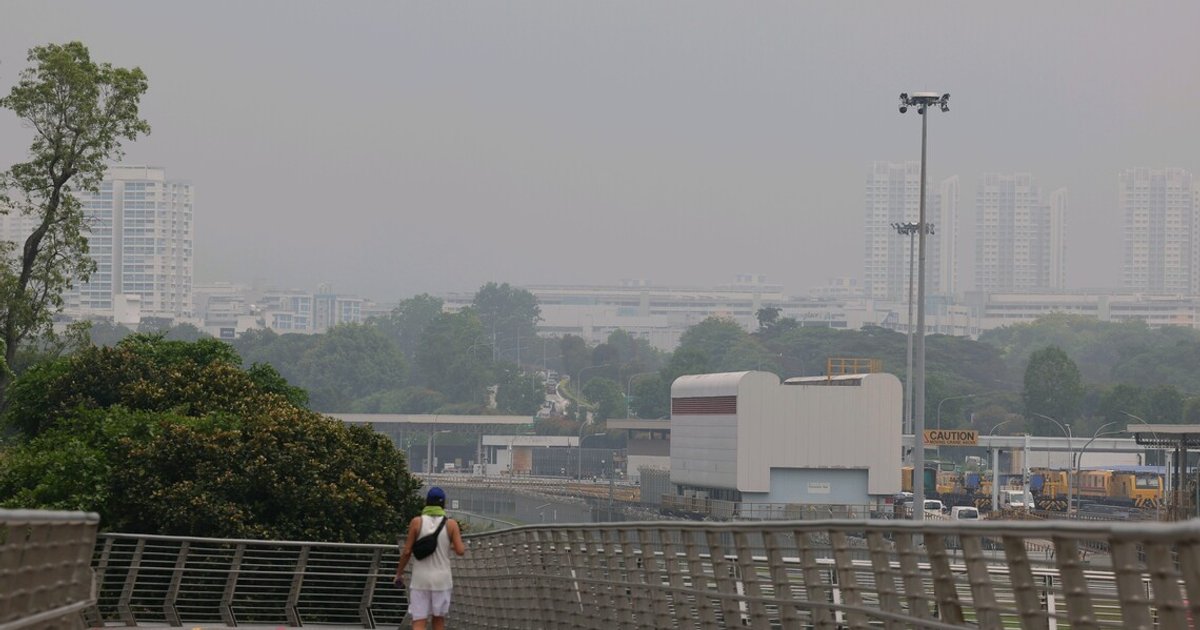
Hazy conditions in Singapore may ease on Oct 9
Preview image from straitstimes.com
[3] straitstimes.com
Hazy conditions in Singapore may ease on Oct 9
Preview image from straitstimes.com
Found through Google Trends and drafted with AI from at least two cited sources. Published automatically after passing our automated checks for sources, wording and safety. It may not have been reviewed by a person yet. Report a correction.